Mid-Summer Roof Maintenance Tips for Clearwater & St. Petersburg
July 22, 2025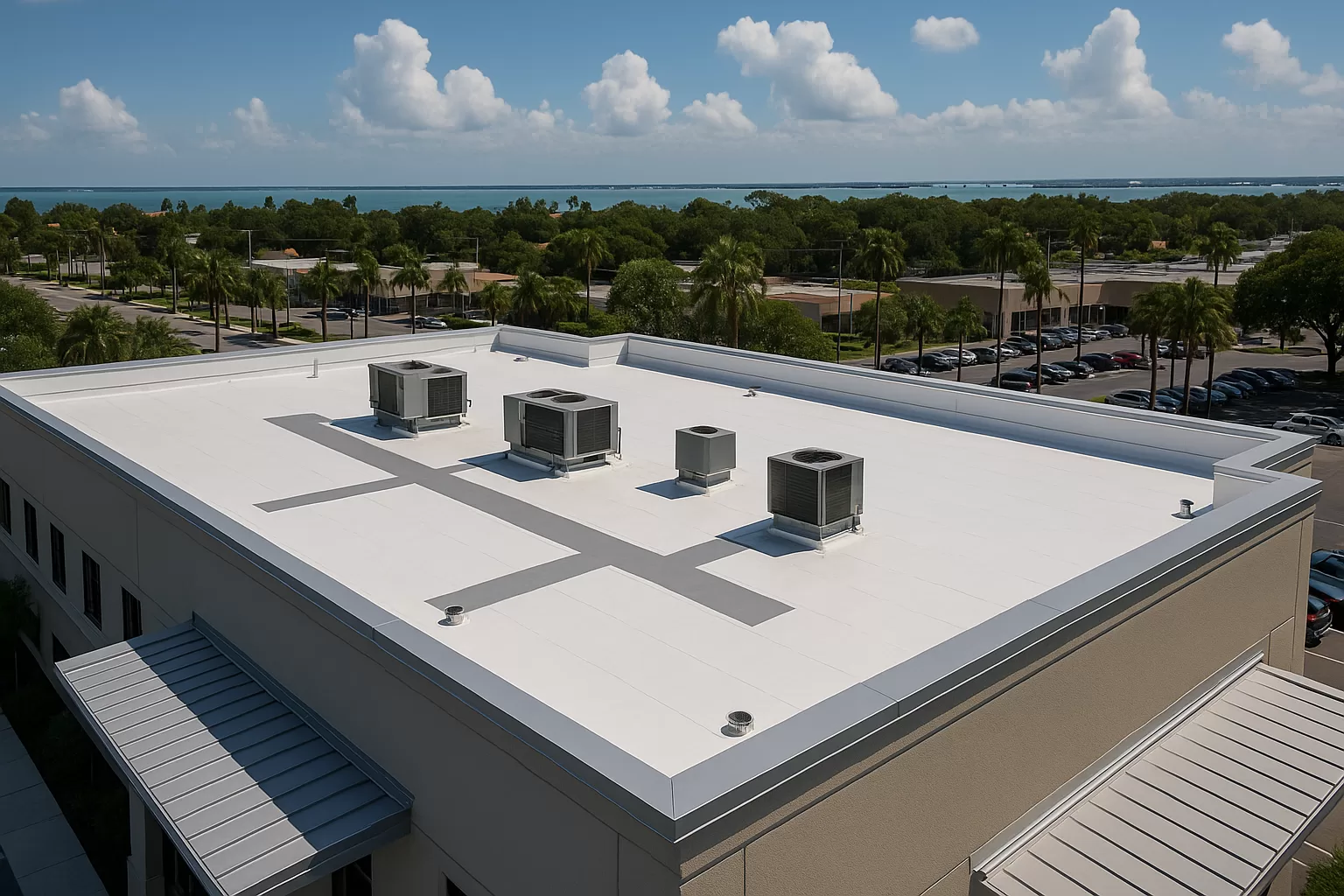
Clearwater’s 2025 Commercial Roofing Playbook: Hurricane-Ready, Energy-Smart, and Code-Compliant
September 20, 2025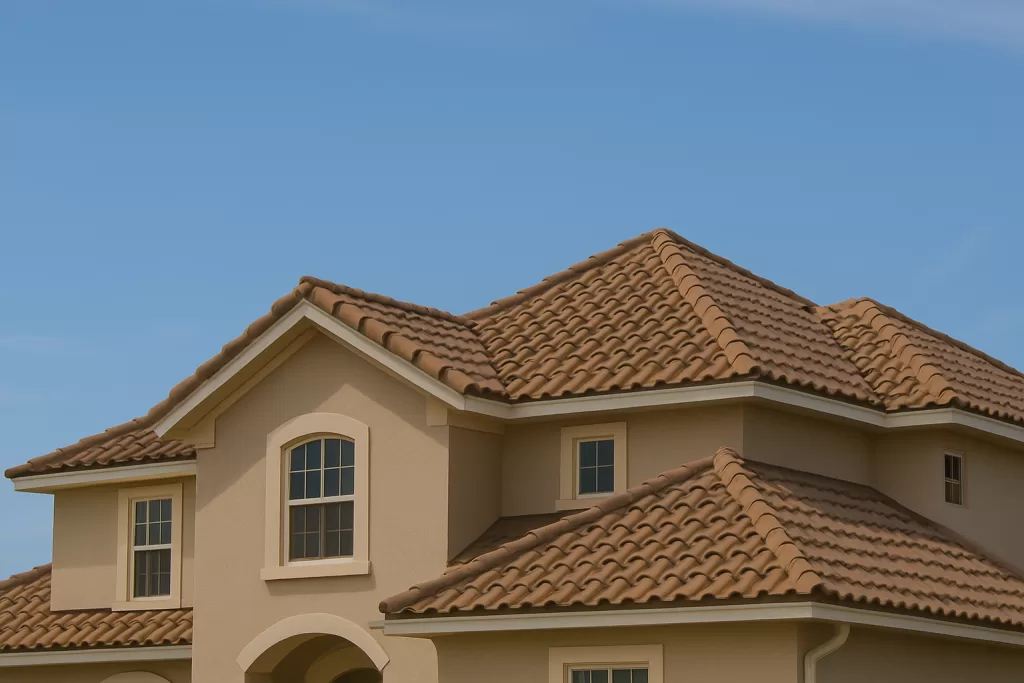
Living near Clearwater’s Gulf Coast means enjoying dazzling sunrises and sea breezes—but it also puts your roof to the test. UV rays, salt air, and hurricane-force storms can degrade roofing materials fast. That’s why choosing the right roof—one that’s resilient, energy efficient, and compliant with Florida’s updated codes—is essential for long-term peace of mind.
At Strategic Roofing, we know Clearwater like no one else, and we marry local expertise with trusted materials and installation practices. Here’s your guide to the best roofing options for coastal homes—backed by code, science, and smart strategy.
1. Florida’s Updated Roofing Laws: The 2025 Landscape
New Legal Landscape & Consumer Protections
Florida’s House Bill 715 (HB 715), signed in May 2025, expands roofing contractors’ authority to reinforce roof-to-wall connections (vital for hurricane resilience) and strengthens consumer protections like clearer cancellation terms during emergencies and mandatory insurance disclosures.
Age and Damage Rules—Insurance Risks
Under 2025 law changes, insurers now have the legal right to non-renew policies on roofs older than 15 years, even when condition is pristine. Repairs—even partial ones—must fully comply with the latest codes.
Harder Code Standards
The Florida Building Code now imposes stricter requirements for wind resistance, sealed underlayment systems, and material durability. These enhancements are aimed at ensuring coastal roofing systems stand up to extreme weather.
2. Coastal Climate Considerations for Clearwater
Clearwater homes endure:
- Salt spray, accelerating corrosion.
- High UV exposure, degrading materials.
- Hurricane-level winds and rainfall, necessitating structurally robust roofing.
Successful roofs here must be built with both climate and code in mind.
3. Top Roofing Materials for Clearwater’s Homeowners
A. Standing-Seam Metal Roofing
- Durable finish with high reflectance protects against heat gain.
- Reflective metal roofs can reduce cooling energy needs by up to 40%.
- Must meet FBC underlayment and anchoring directives for coastal application.
B. Tile Roofing (Clay, Concrete, Synthetic)
- Exceptionally long-lasting and wind-resistant.
- Naturally resistant to salt and sun exposure.
- Installation must include underlayment and securing methods that align with code requirements.
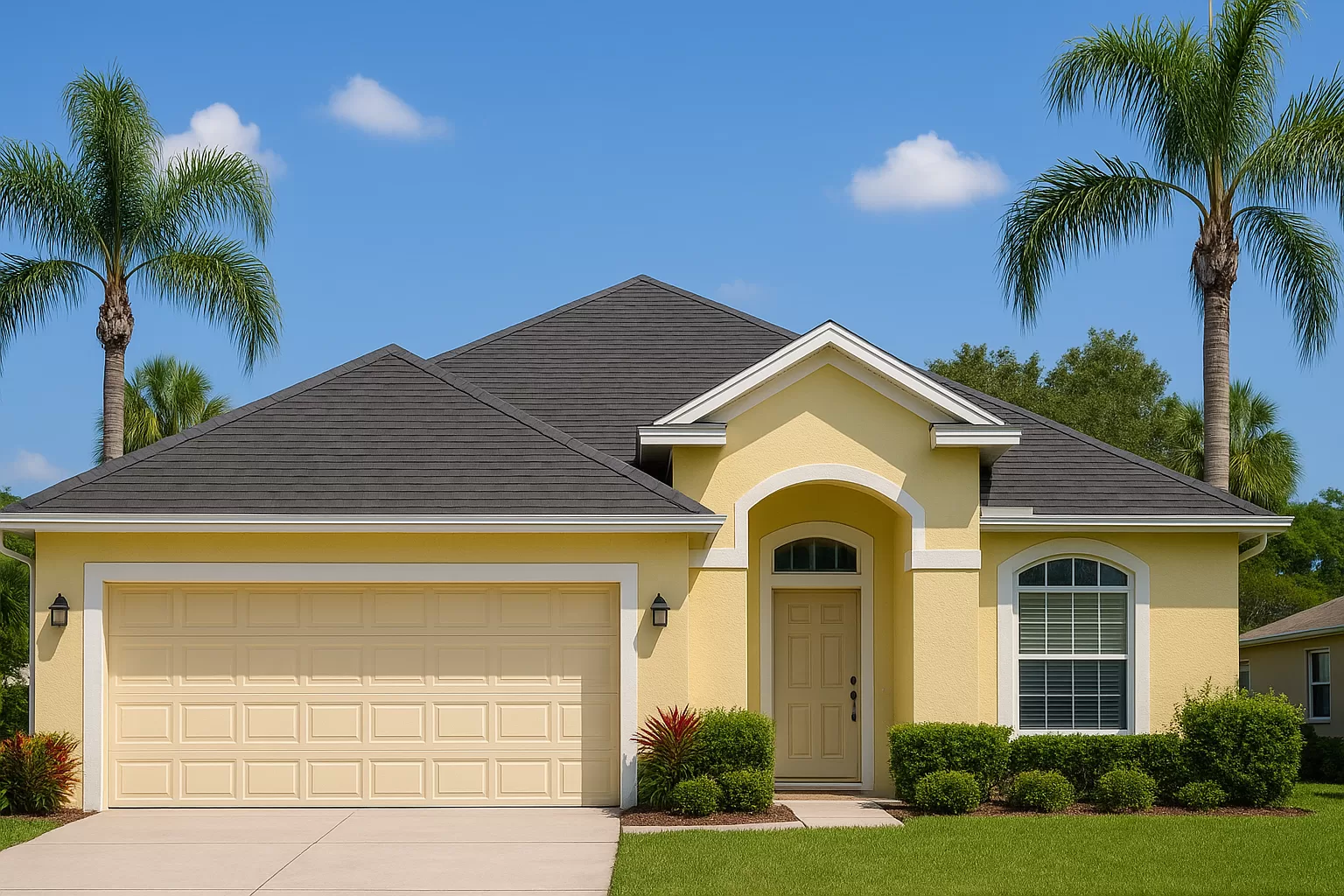
C. Impact-Resistant Asphalt Shingles
- Affordable with increased protection—some models offer improved wind and impact ratings.
- When properly installed, they satisfy current building code and insurance mitigation standards.
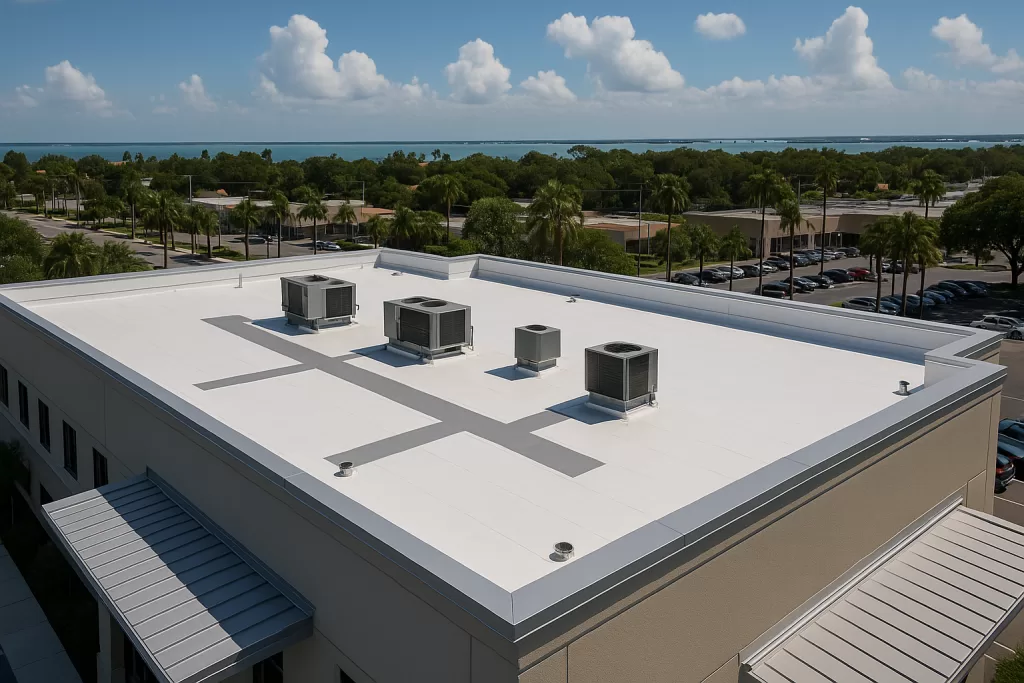
D. Cool Roofing Membranes (TPO, PVC) for Flat Roofs
- Engineered to reflect sunlight and emit absorbed heat, reducing cooling demand.
- White thermoplastic membranes reflect 80% or more of solar energy and emit a high proportion as infrared radiation.
- EPA notes cool roofs significantly lessen building heat gain.
4. Cool Roof Benefits—Backed by Science
- DOE research highlights how solar reflectance and thermal emittance govern a roof’s capacity to reduce heat flow.
- The EPA underscores cool roofs’ role in lowering surface temperatures and cooling loads.
- Case studies reflect surface temperature drops up to 23°C and cooling energy reductions by 11–14%.
5. Material Performance at a Glance
| Material | Strengths | Considerations |
|---|---|---|
| Standing‑Seam Metal | Corrosion-resistant, reflective, long-lasting | Higher upfront cost, requires precision |
| Tile (Clay/Concrete) | Stylish, durable, highly resilient | Heavy; needs structural reinforcement |
| Impact Shingles | Cost-effective, insurance-friendly | Shorter lifespan, more frequent replacement |
| Cool Membrane (Flat Roofs) | Reflects sunlight, lowers cooling loads | Must be impeccably installed and maintained |
6. Insurance & Code Benefits of Compliant Roofing
Installing a roof designed to meet Florida’s latest code—and using wind mitigation enhancements (like sealed underlayment, hurricane straps, or hip roof designs)—can notably lower insurance premiums. Discounts up to 45% are achievable in some cases.
7. Strategic Installation & Maintenance Tips
- Use dual self-adhering underlayment, now mandated by code for better protection.
- Apply approved fasteners and flashing suited for Florida’s corrosive climate.
- Conduct biannual inspections, especially following storms—addressing salt buildup, flashing wear, and algae promptly preserves your roof’s lifespan and performance.
For Clearwater’s coastal homes, roofing is a critical investment—it must withstand sun, salt, wind, and evolving codes. Choose wisely:
- Standing-seam metal delivers unmatched longevity and energy performance.
- Tile offers elegance and endurance with proper installation.
- Impact shingles bring value without sacrificing compliance.
- Cool membranes are ideal for modern flat designs and energy-conscious homeowners.
Combine the right material with strict code adherence, including wind mitigation upgrades, and you’ll enjoy lasting protection, efficiency, and peace of mind.
Ready to talk materials and compliance? Schedule your free inspection today—and let Strategic Roofing show you how to secure your roof for Clearwater’s coast.
FAQs — Local Roofing Company in Clearwater
What roofing materials are best for Clearwater’s coastal climate?
Standing-seam metal and tile—especially when installed to current code—offer top performance.
Do cool roofs really lower air-conditioning costs?
Yes—white cool roofs reflect most sunlight and can significantly reduce cooling loads.
Will linen shingles meet the new codes?
Impact-rated shingles do—if installed with approved underlayment and fastening systems.
Can an old roof keep my insurance?
Not if it’s over 15 years old—2025 laws permit insurers to deny renewal based solely on age.
What upgrades can reduce insurance premiums?
Wind-straps, sealed underlayment, and hip roof structure can earn discounts up to 45%.
How often should I inspect my coastal roof?
At least twice a year—and after any major storms—to ensure longevity and performance.
Can existing roofs be retrofitted to meet new codes?
Often—adding compliant underlayment, fasteners, or cool coatings can bring older roofs up to standard without full replacement.